The 5:30 Blessing: What Our Winter Lot Crew Does Before the First Car Pulls In
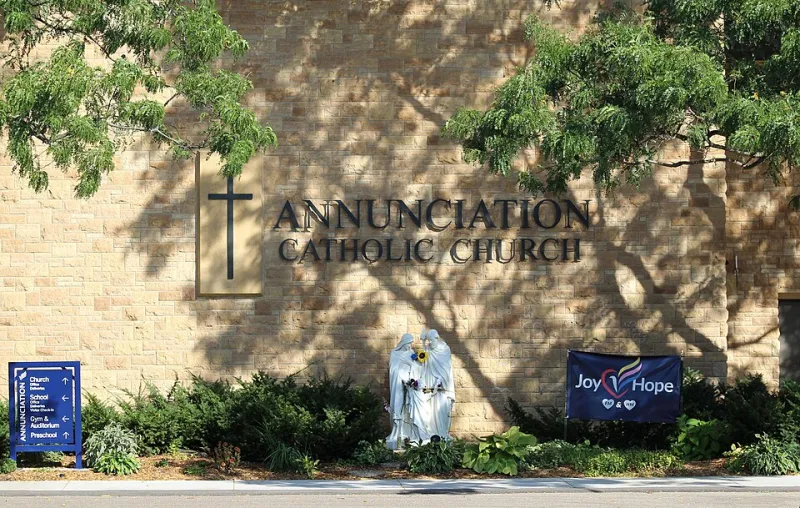
Photo: Myotus, CC BY 4.0, via Wikimedia Commons
On the first truly icy Sunday of the season, the church parking lot at Faith Alive UMC is not empty. It never is, exactly. Long before the first car turns in, a handful of people are already there, coats zipped, gloves on, spreading salt in wide arcs and scraping the sidewalk down to bare concrete. The sky is still that flat winter gray. The coffee in the fellowship hall has not been started. The sanctuary is dark.
And that is the point.
The Work Nobody Sees Until It Matters
The winter lot crew is not a formal ministry with a budget line and a sign-up sheet. It is closer to a habit. When the forecast calls for snow, sleet, or one of those freezing-rain mornings that turns a parking lot into a skating rink, a few people text each other. Usually it starts with Dave, who has a truck and a snow shovel he is weirdly proud of. Then someone else shows up with a second bag of salt. Then another person. By 6:15, the lot is mostly safe, the walkway to the sanctuary is clear, and the crew is standing around pretending they did not just do something kind.
“We’re not heroes,” Dave said, leaning on his shovel. “We just don’t want anybody to fall.”
That is the whole theology of the salt crew, honestly. It is preventative care. It is the belief that safety is a form of welcome.
The Invisible Logistics of a Safe Morning
There is more to it than throwing salt around. The crew thinks about the school bus that cuts through the lot on weekday mornings. They think about the older members who use canes and the parents carrying toddlers and the neighbor who walks her dog across the property because it is the smoothest path on the block. They think about the delivery driver who will pull in around 9:40 and the funeral reception next week and the fact that ice does not care who is in a hurry.
They also think about liability, though not in a nervous way. The church has insurance, and the trustees have a plan for snow removal. But a plan is not the same as a person with a shovel at 5:30 in the morning. The crew checks the steps, the ramp, the sidewalk along the street, and the little path between the parking lot and the fellowship hall that everyone uses but nobody officially owns.
“We have a contractor,” one volunteer said. “But the contractor comes when the contractor comes. We come before the first person does.”
That sentence has stayed with me. It is a small distinction with a big meaning. A contractor fulfills a contract. A neighbor anticipates a need.
Why Show Up Before Anyone Says Thank You?
I asked the crew why they do it. Nobody gave a speech. One person said they grew up in a house where you shoveled your sidewalk and then kept going to the neighbor’s. Another said they had slipped on church property once, years ago, and never forgot the embarrassment of it. A third said, simply, “It’s easier to salt before it freezes than to chip it out after.”
Practical. Unromantic. True.
But there is something quietly spiritual happening in that pre-dawn work. It is the same instinct that puts a casserole in the freezer before anyone gets sick and sets up extra chairs before the crowd arrives. It is care that does not wait to be requested. It is the opposite of a last-minute fix.
In a season when so many of us are stretched thin, the salt crew makes a case for small, unglamorous faithfulness. Nobody claps for them. The bulletin does not list their names. Most Sundays, the only evidence they were there is the crunches under your boots and the fact that you did not slip on your way in.
That is enough.
The Neighbor Who Cuts Through
One of the best parts of the morning is watching the property become public again. Faith Alive UMC sits on a block where people move. Kids walk to school. Runners loop through. A man in a red hat cuts across the lot every morning around 7:10, and the crew has learned to have the far sidewalk cleared by then.
“He doesn’t go to church here,” one volunteer said. “He just goes to work.”
And that is fine. The lot is not a membership perk. It is a piece of the neighborhood. Salting it is a way of saying: whoever you are, whatever your Sunday looks like, you are allowed to be safe here.
A Small Invitation for the Rest of Us
The salt crew does not need more volunteers, exactly. They need more people to notice. If you see a clear sidewalk on a snowy morning, say thank you. If you are able, keep a bag of salt in your trunk. If you are not able, that is fine too — the point is not guilt. The point is that care is a practice, and practices are made of small, repeatable choices.
This winter, when the forecast gets dramatic and the church lot fills up with slush, remember the people who got there first. They are not trying to be noticed. They are trying to make a path.
And in a church, that is never just about ice.