The Roll Call We Don’t Take: Noticing Absence as an Act of Love at Faith Alive UMC

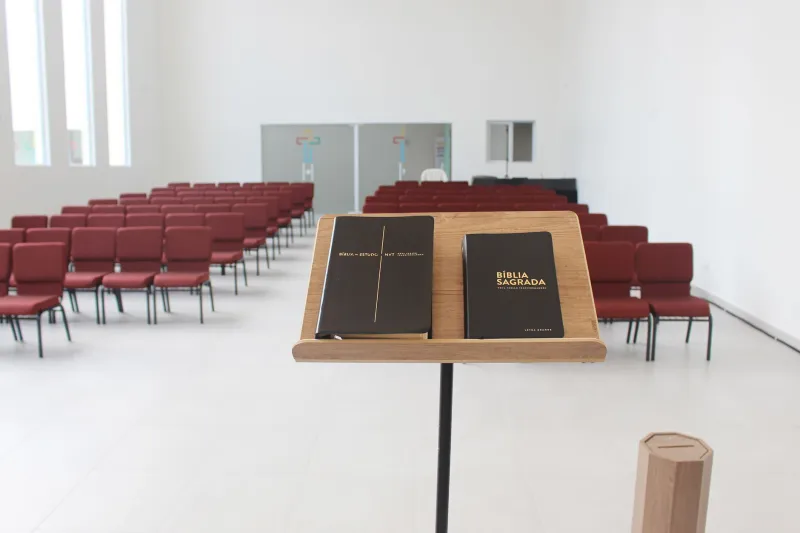
On a Sunday morning in November, the sanctuary at Faith Alive UMC fills the way it usually does: a little early, a little noisy, a little uneven. The choir warms up. Someone adjusts the thermostat. A toddler makes a break for the aisle. And somewhere near the back, a volunteer notices a familiar face is not in their usual spot.
That noticing does not go into a spreadsheet. It goes into a text message later that afternoon.
The clipboard stays in the drawer
Plenty of churches count attendance. We do too—somebody has to order enough bulletins and coffee. But at Faith Alive, the count is not the point. The point is the person who is not there.
That distinction matters. Attendance tracking can turn people into rows on a page. Noticing turns an empty seat into a name. And a name into a prayer. And sometimes a prayer into a pot of soup on a front porch.
This is not a formal program with a logo. It is closer to a habit. A handful of volunteers—some on the care team, some just naturally attentive—keep an eye out for the folks they have not seen in a while. They are not enforcing a rule. They are practicing a very old Christian instinct: when one part of the body is missing, the whole body feels it.
A text that asks for nothing
The first tool is almost embarrassingly simple. It is a text message that does not demand a reply.
Something like: “Hey, no need to answer. Just wanted you to know you were missed Sunday. Hope your week is gentle.”
No “Where were you?” No “We haven’t seen you in three weeks.” No spiritual guilt trip disguised as a smiley face. The message is low-pressure on purpose. It leaves room for someone to be sick, tired, overwhelmed, or just not ready to talk. It says: you are known, and you are not a project.
One volunteer describes it as “a wave from across the parking lot, not a knock on the door.” That image sticks. A wave is easy to return. A knock can feel like an inspection.
Soup without a sermon
The second tool is food. This should surprise no one.
When a member is out for a stretch—surgery, grief, a new baby, a stretch of hard weeks—someone signs up to drop off dinner. The delivery is short. The container is labeled. The note usually says something like “No strings. Just soup.”
What the volunteer does not do is stay for an hour to explain why church attendance matters. They do not ask if the person has been watching the livestream. They do not mention the committee opening. They drop off the meal, maybe offer a quick hug if it seems welcome, and leave.
That restraint is the ministry. Anyone can bring a casserole. Bringing it without an agenda is harder.
The question we ask when someone comes back
Eventually, many people do come back. And when they do, the temptation is to make a fuss. Sometimes a fuss is exactly right. But other times, a returning member is bracing for an interrogation.
So the care team tries to ask a different question: “What would actually help?”
Not “What happened?” Not “We need you on that committee.” Just a real question, followed by real listening. The answer might be a ride on Sunday mornings. It might be a quieter service. It might be childcare, or a prayer request, or simply permission to sit in the back and slip out early. It might be “I don’t know yet.” That is a valid answer too.
The goal is not to solve a person’s life in one coffee hour. The goal is to make it easier for them to be honest about what would make church feel possible again.
A framework any church can borrow
If you are part of a congregation that wants to notice people without turning it into surveillance, here is the simple rhythm Faith Alive keeps coming back to:
See. Pay attention to absence without assigning motive. An empty seat is information, not an accusation.
Send. Reach out with a message that asks for nothing. Keep it short. Make it easy to ignore.
Serve. Offer something concrete—a meal, a ride, a note, a prayer. Do not tie it to a return date.
Ask. When someone comes back, ask what would help. Then listen long enough to hear the answer.
The order matters. See comes before Send. Serve comes before Ask. And none of it works if we skip the listening.
Not a growth strategy
It would be easy to turn this into a church-growth technique. Notice the missing, send the text, watch attendance climb. But that is not what this is.
This is care. Sometimes people are absent because they are traveling. Sometimes they are angry. Sometimes they are grieving. Sometimes they are exhausted. Sometimes they are sitting in a hospital parking lot wondering how they will get through the week. The church does not need to know every reason. It just needs to stay in the neighborhood of people’s lives.
At Faith Alive UMC, an empty pew is not a line in a report. It is a chair where somebody usually sits. And if they are not there, we can send a wave, drop off soup, and leave the light on. That is not tracking. That is loving your neighbor with a phone in your hand and a covered dish on the seat of your car.